



Nine hours a day the building is heated—while my mother constantly complains she is cold in her apartment. Is this efficient climate control? Money is seemingly no object in the co-op she lives in. I am sure each and every landlord or manager of co-ops knows how to save money. There is a heating law but shouldn’t all co-ops have to abide by it?
—Heat-Seeking Shareholder
“Certainly, the apartment corporation is obliged under the proprietary lease to provide heat to the apartments. New York City regulations provide that the heating season is from October 1 through May 31. During that period of time, the owner of the building must provide heat from six a.m. to ten p.m. when the outside temperature falls below 55 degrees, sufficient to maintain a minimum inside temperature of 68 degrees. [The building] must provide heat from ten p.m. to six a.m. when outside temperatures fall below 40 degrees, sufficient to maintain an indoor temperature of 55 degrees. If your mother’s building does not follow these rules, it is a violation of New York City and New York State laws.
“Many apartment corporations have instituted temporary fuel surcharges to compensate for increases in fuel costs, hoping that the increased costs are temporary and, therefore, the regular maintenance charges will not need to be increased.
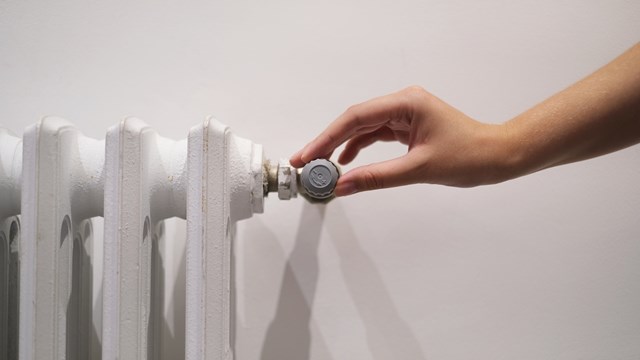
“In addition to complaining to the managing agent and the board of directors in writing, you should check your mother’s apartment to make sure her radiators are turned on and are in working order. Perhaps her windows need caulking to help keep in the heat and prevent cold air from infiltrating the apartment. It is a standard practice of building owners to reduce heat at night as a cost-saving method. If your mother gets no satisfaction from the board of directors or the management company, she can call 311 and register a heat complaint. The appropriate city agency will visit the premises and take temperature readings. If they find that the building does not meet the city requirements, they can issue a violation and the building will have to correct the situation.”



12 Comments
Leave a Comment