
2002 Jun

2002 Jun

2002 Jun Vol. 22, No. 6

Focus on...Law and Legislation

In the Know

By Nicole Laporte

To Federation of New York Housing Cooperatives and Condominiums (FNYHC) executive director Gregory Carlson, there's a big difference between a co-op or condominium board and an informed co-op or condominium board. Carlson's unwritten job description is to eliminate examples of the former in New York. Read More

Dust Busting

By Rebekah Darcy Mulhare

On May 8, 2002, the Environmental Protection Agency (EPA) announced a comprehensive plan to ensure that apartments surrounding Ground Zero in Lower Manhattan are properly cleaned. The plan - which calls for government funded cleaning and asbestos testing - represents a major change in the city's previous policy. Tenant advocates and local politicians are cautiously enthusiastic about the new plan, and still hope for further changes. Read More

Museums, Mansions, and Millionaires

By Lisa Iannucci

On Manhattan's Upper East Side, embracing world-class museums, exclusive private schools foreign embassies and just steps from Central Park, lies one of New York City's premier "status" neighborhoods. Commercial truck clamor is rarely heard here - the noise and bustle of downtown replaced with a liberal dose of baby strollers and small, well-groomed dogs. Carnegie Hill has been called New York's "˜quintessential residential neighborhood' and is home to some of the city's most lavish real estate properties. There is a waiting list for just about everything here, but an address in this affluent enclave imparts a sense of history and continuity that's sometimes hard to find in other, trendier neighborhoods. Read More

Decors Without Borders

By Alexandra Wolf

Asian-inspired design elements have been quietly infiltrating some of the swankiest New York dwellings - and with good reason. Actually two good reasons: form and function. The draw of the popular Asian aesthetic is that it cherishes both equally, and the results are often stunningly beautiful motifs that incorporate not only the practical and ergonomic needs of their users, but also their psychological, physiological and spiritual needs as well. Read More

The Downtown Market

By Stephanie Mannino

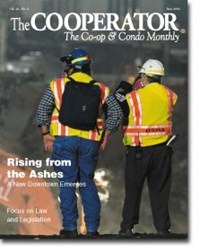
The downtown Manhattan real estate market has gone though a series of ups and downs in past years, but clearly, nothing in recent memory has affected it as drastically as the September 11 terrorist attacks. The aftereffects of the attacks on the World Trade Center have reverberated in the months since, disrupting the lives of those already living in Lower Manhattan and raising questions about the area's future. Early assumptions were that most people would leave and move to other parts of Manhattan or get out of the city altogether. But that mass exodus many were expecting never really happened, and in the time since the attack, realtors and real estate brokers have seen the market change dramatically. So what did happen, and where is the market now? Read More

Reversals, Reinstatements, and Rhetoric

By Robert Grant

In a widely publicized 2000 case, the New York Supreme Court (First Department) issued a judgment annulling New York City's then-newly enacted lead-based paint law, commonly referred to as Local Law 38. The case was immediately appealed, and throughout 2001, confusion prevailed as to which lead paint regulations were actually in effect. Read More

Lead Paint, Taxes, Sidewalk Liability

By Debra A. Estock

Although most political watchdogs and legal experts cite the city and state budget woes as a reason for the slow legislative year, a number of important initiatives of interest to co-ops and condos are currently under review. Read More

Stand Up and Speak

By Hannah Fons

Since the attacks and subsequent collapse of the World Trade Centers in Lower Manhattan last fall, area residents, business owners, real estate professionals, developers, and concerned citizens' groups have been doing their best to navigate the welter of legal, social, and civil issues brought up in the tragedy's wake. Even before the full extent of the damage done on September 11th was known, downtown residents feared for their lives, their health, the safety of their children, and the fate of their homes. Business owners and those who worked in Lower Manhattan wondered if they'd be shut down, either by new attacks, government orders, or sheer lack of business. Read More

Building Operations

On The Board

NYC Living

Newspaper subscription

subscribe Subscribe to "The Cooperator" newspaper - it is FREE. Manage my subscriptions

E-Mail Newsletter

Would you prefer receiving the summary of new articles by e-mail? Your E-Mail:

Poll