
2008 Nov


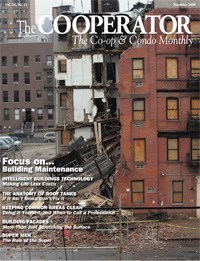
2008 November Vol. 28, No. 11


Focus on...Building Maintenance

Intelligent Buildings Technology

By Jonathan Barnes

Technological applications to residential building life are becoming more prevalent, and in some cases, they’ve even become more affordable than in the past. An “intelligent” building is able to monitor its environmental, mechanical, and lighting (among other) systems, through a computerized network of electronic devices. Maintenance, communications, security, and other residential building functions are now being handled by these new systems, whose upgraded operations are helping building personnel do their jobs more effectively. Read More

If It Ain't Broke Don't Fix It

By Sam Nixon

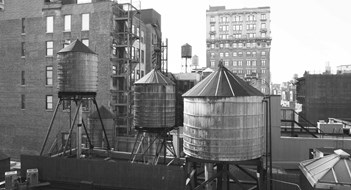
As technology leaps forward, countless pieces of formerly indispensable equipment become obsolete, outdated, and replaced. In light of these technological advances, it’s interesting to think of the things that have not changed—inventions that function the same way today as they did when they were first introduced, having warded off replacement by newer, shinier incarnations. The short-list of timeless classics would have to include the Hula-Hoop, the Slinky…and the roof tank? Yes, the rooftop water tanks that dot the New York City skyline. Read More

Doing it Yourself, and When to Call a Professional

By Stephanie Mannino

No matter how conscientious your residents, no matter how dedicated your super and support staff, it’s inevitable: your building’s common areas are going to take a beating. Foot traffic can damage flooring, and everything from luggage to people’s hands can add wear-and-tear to walls and fixtures. There are steps your building’s staff can take, however, to lessen the potential for damage done, and to repair it once it happens. Here’s what you need to know, and when you’ll need to call in the professionals to keep your common areas looking their best. Read More

More Than Just Scratching the Surface

By Lisa Iannucci

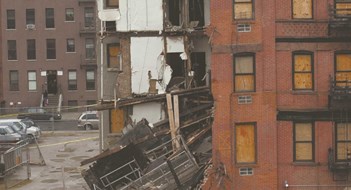
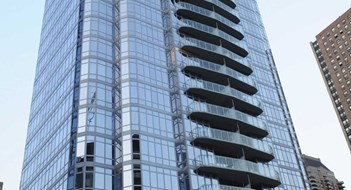
Whether a building is old or new, built of stone, brick, glass or some other material, trouble with or damage to its façade is a serious emergency. Telltale signs of building breakdown on the outside—a growing crack or crumbling mortar for example—is unintentionally advertising to potential residents that the building is, sadly, being poorly maintained. Anyone who can see the deterioration on the exterior will rightly wonder how well management is taking care of the interior. Read More

The Role of the Super

By Greg Olear

The co-op we owned in Astoria was a huge brick prewar building. Three of its sides were either attached to other buildings or else sealed off by high barbed-wire fencing. The only way into the building was the front door, and that meant going through the lobby, past the super’s apartment. Read More

Dealing with Building Violations

By Mary K. Fons

No matter how conscientious your residents, no matter how dedicated your super and support staff, it’s inevitable: your building’s common areas are going to take a beating. Foot traffic can damage flooring, and everything from luggage to people’s hands can add wear-and-tear to walls and fixtures. There are steps your building’s staff can take, however, to lessen the potential for damage done, and to repair it once it happens. Here’s what you need to know, and when you’ll need to call in the professionals to keep your common areas looking their best. Read More

Transitioning from Sponsor to Board Control

By Liz Lent

Building a successful enterprise from the ground up involves the talent and commitment of dozens—if not hundreds—of people. It’s no different with a co-op or a condo, especially in the earliest days of its existence when it makes that transition from sponsor-run to board-run. Sometimes that transitional road can be bumpy, and it can be a challenge turning the seeds of a co-op or condo into a full-grown, fully functioning community—especially if the sponsor and the board in question don’t always see eye to eye. If all of the parties involved can maintain focus and keep the greater good in mind, however, the effort ultimately will pay off. Read More

When Repairs Need to Be Done

By Keith Loria

When you live in a Manhattan co-op or condo, one of the things that you need to be aware of is what sort of building systems exist on the property, and more importantly, which of these you are accountable for. Read More

Finding the Money

By Erik D. Nevala-Lee

Taking the plunge and renovating an existing multi-family building to be more energy-efficient is an important and exciting endeavor. The long-term financial payback from increased energy efficiency in a building is well documented. These significant potential savings, while tempting, doesn’t always seem to be enough to encourage people to make the necessary upgrades to their own buildings. To renovate a building can require a considerable initial investment and capital expenditure that can easily dissuade people from choosing to go through with a project. Securing financing and paying for a project can be difficult and is getting more complicated as financial markets are tightening. Thankfully, there are options available to help a residential building finance a large construction project in the short term to allow them to take advantage of the long-term financial benefits? Read More

Preserving a Unique Heritage

By Imani Milliner

New York City has long been defined by the wide array of ingredients and seasonings thrown into its cultural pot. Though the flavor of the Big Apple has changed and evolved constantly over the years, at the city’s center are the deep-rooted ethnic neighborhoods that make New York the diverse place it’s always been. And of those neighborhoods, Little Italy has always held a special place in the city’s history. Read More

Letting the Sun Shine In

By Emily Abbate

From paying $15 to travel 10 gridlocked blocks in a taxi to shelling out about $10 for a kosher deli sandwich, New Yorkers are used to paying through the nose for the privilege of living in their beloved city. But the dollars really add up, and they don’t stop at transportation and entertainment. Fuel prices continue to climb as well, and as city dwellers are forced to pay more and more to heat, cool, and power their homes, real estate developers and building administrators are looking for alternative ways to power their buildings while saving themselves and their residents money. Read More

Building Operations

On The Board

NYC Living

Newspaper subscription

subscribe Subscribe to "The Cooperator" newspaper - it is FREE. Manage my subscriptions

E-Mail Newsletter

Would you prefer receiving the summary of new articles by e-mail? Your E-Mail: