- Home
- Maintenance
- Exterior
Getting Serious About Curb Appeal
Many boards and managers make extravagant efforts to spruce-up the frontages of their buildings with costly landscaping, graffiti removal, and entrance renovations — but it’s an uphill battle. As many a harried manager or put-out shareholder will tell you, there are plenty of co-op and condo buildings in the city that always seem to be stuck looking tawdry and down-at-heel because of the proliferation of sidewalk clutter. Read More
Fix Up, Look Sharp
The inspections and repairs required by the city’s Local Law 11 are often viewed by buildings as a costly hassle, but they can also been seen as an opportunity to make necessary improvements to your building’s façade, and to keep the area surrounding your building safe. Read More
Access for All
The city can be a tough place to navigate even for the most able-bodied New Yorkers. For the elderly, those with disabilities, or anyone whose mobility has been compromised by illness or injury—even temporarily—getting into their own building can feel like a monumental task. Read More
Squeaky Clean
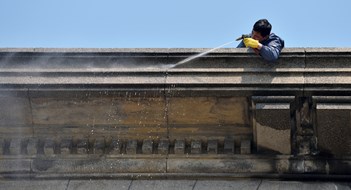
New York City is a beautiful place, but let’s face facts—it gets pretty dirty. All the fumes from countless trucks and cars letting off exhaust leave a layer of grim on buildings so thick that in many cases, it’s impossible to know just how a lot of buildings were intended to look. Read More
Walking the Line
In a city that is made for walking, few stop to pause and look beneath their feet at the sidewalks that lead them uptown, downtown and crosstown. But these sidewalks—all 12,000 miles of them—form the arteries at the heart of New York. They are vitally important to the city, and over the years have earned legendary-status for themselves. Movies are named after these miles of concrete. Even former New York Governor Al Smith used them to his advantage in the 1920s—the tune “Sidewalks of New York” was the so-called Happy Warrior’s campaign theme song. Read More
Look Out Below
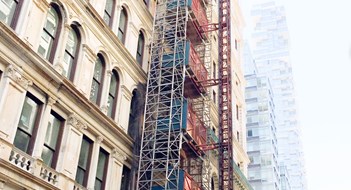
In a city known for its tall buildings, two kinds of structures loom almost as large as the buildings themselves—construction sheds (normally called a sidewalk shed) and scaffolds. Everyone has seen these familiar blue plywood platforms boosted up above the city’s sidewalks by crisscrossing frameworks of metal poles and girders. But what’s their purpose—and how does the city manage their safe construction and deconstruction? The answers are useful, both to boards and managing agents. Read More
Construction Laws
Sooner or later, your building will probably have to undergo an exterior maintenance, renovation or repair project—especially since Local Law 11 was passed in 1998, mandating periodic inspections of exterior walls of any building more than six stories in height. Read More
Act Like You Know
Major exterior repairs and construction projects are serious business, otherwise they wouldn't be called "major." Too often, though, people tend to hire experienced architects and professional contractors only when they absolutely need to, and then often ask only one question: What's this going to cost? Read More
Set in Stone
New York City is home to some of the world's best architectureboth ultra-modern and historical. And while newer buildings show off sleek glass-and-steel facades, the hallmark of many of the city's historic buildings is their stonework. Take a gander around the city and you will marvel at just how prominent stone is in so many buildings decked out with gargoyles, cornices, ornately carved facades, and other spectacular stonework ornaments. Read More
Utilitarian Structures
New York City's skyline wouldn't be the same without its rooftop water tanks. The strange-looking structures have graced the cityscape for more than a century, and today, surrounded as many of them are by towering glass skyscrapers, they seem anachronistic. They may hearken back to an older time, but the city's water tanks aren't just for decoration; they're still very much in use. Read More
Facades 101
When someone describes a beautiful building in the city, in all likelihood, they are describing the building's façadethat thin, skin-like layer of brick, mortar and/or decorative stone such as limestone that covers and dresses up the raw, inner walls of the building. Although one of the purposes of a building's façade is decorative, façades serve a much more vital role than just window dressing for a building's exterior. Read More
Preparation and Planning
Every five years, the boards of co-ops and condominiums are forced by law to consider how to execute repairs to their exterior facades. Unless there is a known dangerous condition, not too many buildings consider the issue well in advance of the cycle required by law. However, it is a subject that's well worth some advance planning. Once the cycle comes around, the architects, engineers and contractors who handle this type of work are incredibly busy - they may not be available to work one-on-one with your building, and prices for their work may not be as competitive. There are also financial considerations that make advance planning a good idea. If the building has not really done adequate early investigative work and finds that a greater exterior renovation is needed than was expected, they may have to secure some outside financing, such as refinancing the building's mortgage. All of this takes time. Read More
Keeping the Rain Off Your Head
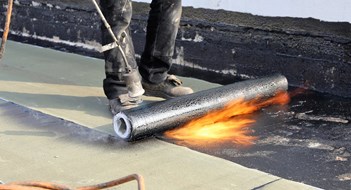
While it may be a cliché, it's entirely true that few things are more important than keeping a solid roof over your head. And like any other aspect of a building's structural composition, your roof has a life span that is dictated by time, wear-and-tear, and environmental conditions. Read More
100-Year Face-Lifts
From the venerable Dakota on the Upper West Side to the small-but-fashionable antique brownstones in the Village, to the formidable New York Public Library, hundreds of buildings in Manhattan and the outer boroughs have been designated historic landmarks. While landmark residential buildings are considered very desirable, even stylish, places to live and visit, they carry with them several unique concerns when it comes to maintenance and restoration projects. Read More
Altering Your Building
Replacing a boiler, renovating a lobby or repairing a façade, can create problems that one might not anticipate or expect. Embarking upon major building projects can turn into a major headache if not done properly and with the help of licensed professionals, a panel of engineers, architects and building officials told an overflow audience at The Cooperator's Annual Co-op and Condo Expo March 6th at the New York Hilton. Read More
Living in a Landmark
New York City has over 80 historic districts featuring unique styles of design, exceptional attention to cultural details, and hand-painted or hand-carved architectural embellishments. Of course, a lot of these historic gems are homes to modern people with modern lifestyles and repairing, renovating or changing these buildings in any manner may require special permission. Read More
More Than Just a Pretty Face
No two ways about itappearance counts, and chances are when you decided to buy into your building, part of your decision was based on whether the building appealed to your eye. Now you and your fellow board members find that the passage of time, crumbling features, eroded detail work, urban grime, and some unsightly (if creative) graffiti have helped you make up your minds to get some work done on the old place. Or perhaps youve just been inspected, and the authorities kindly insist that you make some improvements, post haste. Or maybe spring has sprung, housecleaning is in the air, and your building just needs some sprucing up. Read More
The Long Arm of Local Law 11
We all know what happens to our bodies as they age: things shift, material consistencies change, and gravity begins to assert itself. The same is true of the buildings we live in. As time marches on, brick and mortar deteriorate under environmental pressures and everyday wear and tear, sometimes turning a beautiful old pre-war building into a hulking menace. After a passing pedestrian was killed in 1980 by a chunk of masonry that had come loose and fallen off an older Manhattan building, New York City enacted Local Law 10. The measure mandated that all buildings over a certain age and height must be inspected regularly for potentially dangerous deterioration. Local Law 10 was on the books until 1998, when it was updated, tightened up, and re-christened Local Law 11. Read More
City Landscapes
Its Spring, as the saying goes, and a young mans fancy turns to love. Your co-op board, while they may be romantics at heart, smell Spring and their minds go to landscape maintenance. The landscaping of a property is the first thing visitors see; it adds value to the units and influences quality of life. Even so, many experts say not enough thought, time and money is going into this very important area. While it may be true that April showers bring May flowers, grooming the grounds is a January to December affair. Read More
Ornamental Maintenance
Recently many northern tier cities have enacted building façade inspection laws to ensure public safety. One of the primary reasons for these laws has been aging and deterioration of the ornamental on older buildings, which is made from architectural terra cotta. When architectural terra cotta is maintained properly, it is a safe and beautiful material which gives older buildings their character. Read More
What's Happening on the Outside
In the past few years, new products have become available that offer many advantages to co-ops and condos. Here are just a few of the products that we have found most beneficial from the standpoint of economy and reliability. Read More
Don't Get Soaked!
They say that April showers bring May flowers. For the New York area's aging brick buildings, spring sprinkles and summer storms can bring much worse. From interior leaks to the liability nightmare of a crumbling and falling facade, the effects of water infiltration can devastate a building's structural integrity. Fortunately, with a knowledgeable team of professionals assembled, the process of waterproofing, otherwise known as exterior restoration, doesn't have to devastate the budget. Read More
Urban Landscaping Tips from the Pros
You've got to hand it to city plants. They squeeze themselves into the tightest of spaces, and each day they battle pollution and smog, get stepped on (or worse, thanks to the city's dog owners) more times than they'd like to count. In short, they're a lot like us—and like us, they need a certain amount of care and tending in order to thrive in the concrete jungle. Read More
Good Light and No Sounds
Few things matter more to a co-op or condo owner than living in a place with good light and a good view. That's why windows serve as one of the biggest selling points and most important physical aspects of a building. The right windows can give a building panache and style and, most of all, the light and look that today's homeowners crave. Read More
Good Oversight Means Better Results
Being a co-op or condo owner often means
multi-tasking—especially if you happen to serve on your
building's board. To keep your home in good repair and to comply with
Local Law 11 and other city building codes governing façade repair
and maintenance, it will eventually become necessary to hire professional
contractors to perform exterior maintenance and/or repair work. Read More
Swinging Off of Skyscrapers
Every time a co-op or condo building needs exterior work—an occurrence more regular now than a quarter century ago—a group of highly-trained, highly-specialized, and extremely brave professionals arrive to carry out the project. They set up scaffolding, lower swinging platforms, use heavy, often dangerous, equipment and supplies with the goal of providing a façade facelift or complete overhaul. Read More
What They're Doing Up there
When you walk around busy areas of Manhattan, Brooklyn and elsewhere in the city these days, it's hard to miss the large number of structures stretching above the sidewalk, made up of huge sheets of wood resting on thin metal poles. Most people call them scaffolds, but they are actually known as sidewalk sheds (a scaffold is actually a work platform erected above a sidewalk shed). Read More
Surface 101
The facades of New York City's residential buildings are part of what gives the city its character. From historic brownstones to modern high-rises with glass-curtain walls, New York City's buildings are recognizable to people around the world and give a face to each of the five boroughs. But in addition to providing a distinct look to New York's buildings, every façade must be able to hold up to the elements and withstand damage and leaks. An understanding of the materials used and city laws is crucial to ensuring your building's facade receives proper maintenance and routine care. Read More
Do's and Don'ts of Exterior Signage
To paraphrase the 1948 film, and later, television series of the same name, The Naked City, there are eight million stories in the naked city. And probably ten times that many signs. They are everywhere, all asking for our attention. There are billboards and banners, blinking neon letters and twinkling LEDs. Go to Times Square and there's probably at least one example of every kind of sign ever devised. It wouldn't be surprising to find a few tablets cut in stone, or parchment scrolls tucked away in some corner, advertising psychic readings or after-theater dinners. In short, signs are all around us. Read More
Your Roof-Lounge or My Library?
If you flip through the advertisements for new condo buildings in the real estate section of New York magazine or Time Out NY, you've probably noticed that more and more developers are including well-appointed libraries, residents-only social clubs, roof decks, and other social spaces in their building plans. They're calling them "resident lounges," "observatories," or "sun decks," and these spaces are intended to get the new unit owners out of their units and networking, socializing, and generally hanging out with each other—as well as fostering a feeling of exclusivity and privilege among prospective buyers. Read More
Don't Crack Under Pressure
As a child, we tried diligently to avoid stepping on the cracks in the sidewalk, because, after all, our mother's backs were hanging in the balance. As adults, we simply take sidewalks for granted, often not looking down and watching where we are going, until we catch our foot in a split sidewalk and are sent tumbling to the ground. Read More
Keeping Your Curb Appeal
Curb appeal plays a large role in determining a property's value and it is the first thing anyone notices about your co-op or condo building. But beyond aesthetics, proper maintenance is necessary to protect residences, grounds and common areas from the elements. Consistent care also will prevent major problems from surfacing in the future. And a solid maintenance plan will help your community's bottom line, as you'll avoid costly problems altogether. Read More
Keeping Buildings Dry
Building owners are charged with the constant battle of keeping water out of the building envelope, but sometimes the water that causes stains, mold and decay comes from within the building envelope. Consideration to design, materials and use must be given during initial construction and reconstruction projects. Read More
Preserving the New York City Skyline
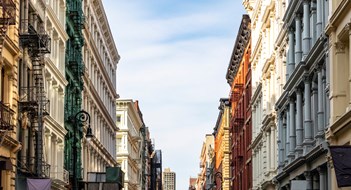
New York City's skyline is like none other and has a blend of classic and modern architecture that defines itself as one of the world's greatest cities. Read More