



For decades, the most desirable residential buildings were those with visible security systems, liveried door staffs, concierges, elevator operators, keyless locks, state-of-the-art intercom systems and video cameras. Over the course of the last five years, as our war on terrorism has unfolded, these additional security measures have become the norm for all residential structures, and are no longer strictly the domain of high-end complexes.
And although these protections may be the order of the day, there is a question as to the point at which these systems may become invasive. Ostensibly, cooperative corporations, condominium associations and rental-property owners are implementing security measures in order to safeguard the life, safety and wellbeing of all building occupants or residents. That aside, it's not hard to imagine a tenant construing a camera in a common-area hallway or elevator as comprising an "invasion of privacy" or even a form of "harassment."
The general rule is that law-abiding citizens are entitled to use and enjoy their homes without unreasonable interference or annoyance. Reinforcing this point are provisions found in residential leases, which typically provide that tenants are entitled to "exclusive control" of their space upon taking possession of an apartment. That right typically extends against a landlord's entry into the unit absent prior notice, tenant consent, a legitimate repair need or bona fide emergency. An unauthorized or illegal entry by an owner, property manager, cooperative/condominium board member or other agent or representative may trigger an array of rights and remedies. With regulated tenants, such activity may constitute "harassment" as defined by Rent Stabilization Code § 2525.5. This provision provides that owners may not engage in "any course of conduct--which interferes with, or disturbs, or is intended to interfere with or disturb, the privacy, comfort, peace, repose or quiet enjoyment of the tenant in his or her use or occupancy of the housing accommodation."
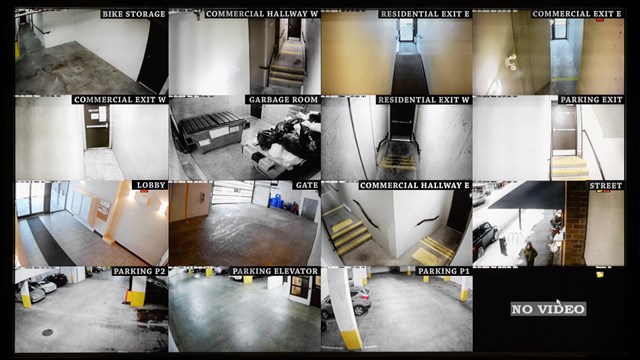
However, notwithstanding the available legal protections, the well-established rule is that individuals retain a reasonable expectation of privacy within private areas of living space--not necessarily in public spaces, such as the common areas of residential buildings. These are generally defined by New York courts as "hallways, lobbies, vestibules, public telephone booths, stairwells and any other areas used for ingress and egress where access is relatively uncontrolled."
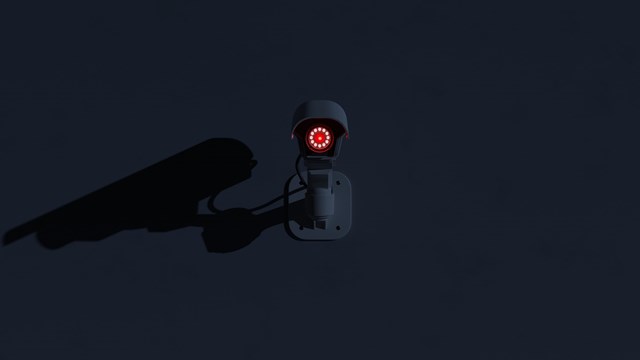
Therefore, high-tech surveillance cameras and other security systems may be lawfully installed in public--or common--areas of residential and commercial buildings. Of the few reported cases on the subject, those tenants who have litigated the issue and objected on "privacy" grounds have thus far met with little success, particularly when these security measures were found to enhance safety and represent a form of improvement to the property. Similarly, a breach of the Warranty of Habitability is not triggered by security-related measures, since such a breach can only occur when a reasonable person would conclude that some defect in a dwelling has deprived a tenant of "those essential functions which a residence is expected to provide."
Worth a Thousand Words
Many are unaware that in New York State, there are surprisingly few restrictions on the use of a person's "name, portrait or picture," unless such use is commercially or fraudulently exploitive. New York Civil Rights Laws §§ 50 and 51 create a "right of privacy" and a "right of publicity," making it a misdemeanor offense to use an individual's name, portrait or picture for advertising or trade purposes without consent. But there is no corresponding New York law that extends a right of privacy to "non-fraudulent" and "non-commercial" use of one's picture or portrait. Therefore, surveillance in building common areas does not violate any "privacy right" currently recognized by New York law.
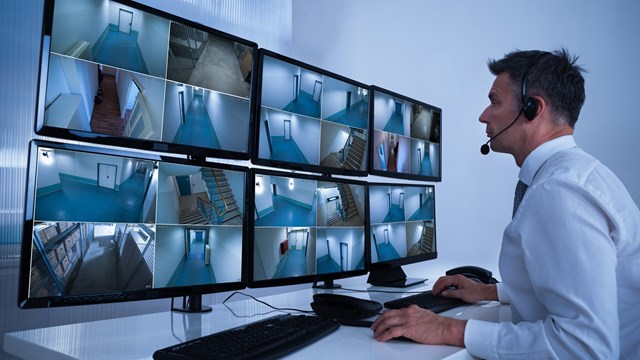
Even law enforcement's surveillance of the common areas in residential buildings is permitted, and will not invalidate an arrest. The underlying basis for this finding is, again, that residents have no reasonable expectations of privacy in areas that are in joint control of the cooperative corporation, condominium, owner, or tenants and other occupants, and which are publicly accessible. As a result, surveillance of such areas may be undertaken without residents' knowledge--and even over their objections.
New York's criminal law supports this rationale by defining "public places" to include building "common areas," and Penal Law § 240.00(1) provides that lobbies of apartment houses not constituting private rooms are defined as "public places." Accordingly, New York courts have upheld criminal arrests based on crimes perpetrated and observed in these areas since residents have no legitimate expectation of privacy in places that have "public or substantial group access."
Ultimately, the conflicting concerns underlying common area surveillance will require a careful balancing or weighing of the various parties' interests. And as technology advances, our legislature and courts will be called upon with increasing frequency to address the problems raised by the ever-growing presence and grasp of electronic surveillance.
What remains to be seen is whether increased security measures are Orwellian in nature or simply a reality in our modern times. Until these issues are adjudicated, it is important that we remain vigilant in protecting our security, as well as our individual liberties, and it is of critical importance that we respond aggressively and proactively when either is wrongfully violated.



64 Comments
Leave a Comment