(Page 1 of 4)   
« Prev
  
1
  2  3  4  Next »

Maintenance Fees

By Jean E. Herskowitz

Cost of living increases can be felt everywhere, from the theatre to the supermarket to the gas station. So it may come as a surprise to many co-op and condo residents that one place you don't have to expect an increase is in your monthly maintenance bill. The building can avoid unpopular increases by lowering the operational costs, refinancing the mortgage or increasing property revenue. Instituting one or more of these strategies in your building can result in stable maintenance payments that will make residents happy and cause buyers to smile, too. Read More

Capital Improvements

By Keith Skilling, PE

What can a board do if its building is faced with extensive capital work while recovering from Read More

Spring Clean-Up

By Madelyn Simon and Len Marino

After a long winter, gardeners everywhere have much work to do to clean up and prepare for the spring season. Removing winter-kill and old annuals and pruning dead branches promotes clean growing conditions and reduces the opportunity for fungus and disease to become established. Read More

Proper Cosmetic Improvements

By Stephen N. Carter

One of the most effective means of enhancing the value of an apartment or house is through "cosmetic"¯ renovations. These types of improvements are, ostensibly, surface upgrades that address the appearance of a property, rather than such structural changes as replacing or tearing down walls. Assuming the infrastructure is sound, cosmetic improvements will help increase the value of your property, whether for purposes of sale or to simply provide an environment that meets your personal standards. Moreover, these improvements prudently constitute preventative maintenance, which saves both money and aggravation in the long-term. Read More

Considering a Utility Audit

By David Matsil

Every year, co-ops and condos in New York City pay millions of dollars in utility expenses, including electric, water/sewer, gas, and steam. Are you certain your building is paying the correct amount? What if it isn't? Without an expert audit, you may never know if your building is due refunds, savings, and credits from overcharges that appear in a surprisingly large percentage of utility bills. Read More

The Short List

By C. Jaye Berger, Esq.

When a client hires a general contractor to build or renovate property, that company is legally responsible for completing all of that work. The contractor may go out and hire different companies or subcontractors to help execute that work, but the prime contractor still remains liable, and the subcontractors are liable to the general contractor, not the client. Subcontractors have what is called "privity of contract"¯ with the general contractor. The general contractor also has privity of contract with the client. Read More

Avoid Home Improvement Scams

By National Association of The Remodeling Industry

The National Association of the Remodeling Industry (NARI) offers homeowners these top ten warning signs that a home improvement contractor may not be reputable: Read More

Tips to Avoid Home Remodeling Fraud

By Gwen Biasi

During a large scale remodeling project, there are many questions that a homeowner may forget to ask, says the National Association of the Remodeling Industry (NARI). Read More

Manpower vs. Machine

By Isabel M. Alacantra

Ever wonder what goes into getting rid of the garbage in your building, or what happens to the hundreds of bags we throw away every day? Probably not. But how well your building is equipped to process the tons of trash New Yorkers throw away each year can have a direct effect on your pocketbook. Read More

Preventative Maintenance Schedule

By Peter J. Grech

The above is a recommended schedule of maintenance. You should consult your boiler manufacturer just in case additional maintenance is required. Safety is always the first consideration in boiler operations. Efficiency is second. Read More

Leader of the Pack

By Michael McDonough

When a building or an apartment owner embarks on a large project, they often turn to a construction manager to be on-site, keeping things to predetermined schedules, approving payments, making sure what's promised is delivered, and running interference between the board and builders. Of course, not everybody uses a "CM,"¯ but doing so can help a project progress more smoothly and eliminates a lot of pressure on board presidents, committee members, and managing agents. Read More

Installing Children's Playgrounds

By Lisa Iannucci

Health clubs, fitness centers and private garden spaces are just some of the amenities a condo or co-op can provide to enhance the pleasure and convenience of its residents. However, another, less common amenity to consider is an interior or exterior play area. A well-designed, well-built playground not only draws families with young children into a building, but also creates a space for older children to keep healthy and active and spend time with their parents and adult guardians. Read More

The Goof-Proof Roof (and Balcony)

By Jaan Van Valkenburgh

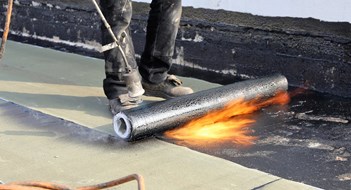
Outdoor spaces like balconies, terraces, and roof decks can add a lot of charm and value to your building, as well as providing pleasant spots for residents and their families and guests to take the air and relax. It's just about now - as residents are bringing in plants and re-caulking windows - that co-op owners and boards should consider fixing up balconies and rooftop living areas. While most work should wait until warmer months because of materials' reaction to cold, planning early could save money. Read More

Flying Solo

By Stephanie Mannino

So you've noticed your building's faƧade has lost its luster, or maybe the entryway needs a complete renovation. Before you rush out and hire the first contractor listed in the Yellow Pages, there are many aspects of repair and construction board members self-managing their own buildings should consider. Among the questions you should ponder: Do we need to have an architect or an engineer? How do we find the most qualified contractor for the job? What will construction mean for residents? The steps below may be of help when you're a board on your own and you're faced with renovations, repairs, or new construction. Read More

Mind Your Marble and Master Your Metal

By Meryl Feiner

Marble columns, iron grillwork, decorative cornices, brass details on doors; these are extra touches that make a building unique. When marble is polished and clean, ironwork and cornices free of rust, and brass buffed to an impeccable shine, the combined effect radiates charm and boosts your building's curb appeal. The city can be a hostile environment, however, with the combined forces of nature, pollution and everyday wear-and-tear wreaking havoc on these design elements. The origin and history of the building materials can provide insight into the best methods for maintenance and restoration. Read More

Today's Trash Cycle

By Jessica Lynn O'Brien

Apartment-dwelling New Yorkers have a tendency to spoil their trash. That is, they allow it to stink. Read More

Avoid a Headache

By The NYC Dept. of Consumer Affairs

The New York City Department of Consumer Affairs (DCA) receives more complaints against home improvement contractors than any other category - Period. If you engage an unlicensed, unregistered contractor to carry out an improvement project in your co-op or condo, you may be courting disaster. Everything may go fine, but then again, it may not. What if, for example, your contractor simply disappears, leaving the apartment in disarray - walls torn apart, wiring and plumbing exposed, and other work undone? The damage to your own apartment or neighboring units can cost you hundreds, thousands or even hundreds of thousands of dollars. Read More

Do the Can-Can

By Nicole Laporte

Nearly two months into Mayor Michael Bloomberg's suspension of glass and plastic recycling - a move designed to trim $40 million from the city's budget - New Yorkers are slowly getting used to the idea of tossing their Pepsi and beer bottles out with their regular trash. Read More

What's My Line?

By Peter J. Grech

Just about every working person, from the busboy at your favorite diner to the CEO of a Fortune 500 company, works under a job description that outlines their duties and establishes responsibilities and boundaries of authority. Your building's superintendent or resident manager should be no different. A clearly defined, yet flexible job description for your key building staff can ensure that what needs doing gets done - and can help building staff and board members maintain a productive, friction-free working relationship. Read More

Dust Busting

By Rebekah Darcy Mulhare

On May 8, 2002, the Environmental Protection Agency (EPA) announced a comprehensive plan to ensure that apartments surrounding Ground Zero in Lower Manhattan are properly cleaned. The plan - which calls for government funded cleaning and asbestos testing - represents a major change in the city's previous policy. Tenant advocates and local politicians are cautiously enthusiastic about the new plan, and still hope for further changes. Read More

Give Me a Sign

By Greg Olear

The side of your residential building is a windowless plane of painted brick that stands ten stories higher than the adjacent co-op, clearly visible from the well-trafficked Queensboro Bridge. The side of the building has deteriorated a bit in the last few years and will need repairing-at considerable expense-sometime within the next year. There are already grumblings among the tenants, many of whom would rather not pay for such labor now, with a recession looming. The situation is setting up to be a major headache for you, the board president. Read More

Power Steering

By Greg Olear

Picture this: The power goes out in Washington Heights. When it comes back on in Washington Heights, it goes out in Clinton. When it comes back on in Clinton, it goes out in Battery Park City. And so on, across the city. Panic sets in, chaos reigns, and the super doesn’t get your message because his answering machine is plugged into a useless socket on the wall. Read More

Fire Safety

By Lynne Goodman

The Cooperator’s Co-op and Condo Expo included a standing room only crowd at a seminar on new fire safety regulations. A panel of experts explained the law and provided information on everything from who is ultimately responsible for posting fire safety notices in individual units to how buildings have used the installation of sprinkler systems to lead to profit. Why such an interest? The deadline for the law taking effect was extended to January 31. Two months later, boards scurry to make sure they’re in compliance. Make sure you’re in the know. Read More

Breathe Easy

By Elizabeth Lent

It’s the end of another long day at work. You come home, lock the door, flop down on the couch and take a deep breath. Time to rest easy. But consider that deep breath. How clean is the air in your co-op or condo? Do you really want to know? Read More

Hi-Tech Maintenance?

By Rebekah Darcy Mulhare

In the autumn of 1999 a hot concept in property management emerged: Why not use the Internet to streamline the management process? By the spring of 2000 three Web sites had launched, each with a different vision and approach but sharing the same goal, to enhance communications between shareholders, managers and maintenance staff. AKAM Associate’s Genesis System, Insignia Financial Group’s EdificeRex, and BuildingLink.com were the pioneers on the digital frontier. How are they faring one year later? Who’s using the systems? And what are the newest developments? Read More

In a Class of Thier Own

By Judy Grover

"It’s probably the last remaining profession to make house calls!" says Eugene Marabello, president of The Superintendent’s Club of New York, an organization dedicated to filling a gap in the knowledge base of multi-family building maintenance personnel. Marabello speaks of one of the most valuable positions in your co-op or condo, that of superintendent. Read More

Be Safe, Be Secure

By David Kuperberg

Your home is your haven, your sanctuary, the one place where you can feel comfortable, safe, and secure. At least, that’s what a home should be. But according to the National Safety Council, no fewer than 15 household accidents resulting in serious injury occur every minute. And while just "being careful" is certainly better than nothing at all, being aware of and taking precautions to guard against the most common types of household danger is an even more prudent way to ensure that you and those who live with you don’t become part of this frightening statistic. Read More

Bronx Beginnings

By Debbie Hoodiman

Early in the 20th Century, and until the 1950s, the oil industry as we know it today did not exist. Homes were heated with coal, and some readers who wish to date themselves may still remember cleaning the ashes and soot out of a furnace or seeing someone else do so. Read More

War Stories

By C. Jaye Berger, Esq.

There are two major aspects to any renovation project in a co-op–one is getting approval from the co-op board, the other is getting approval from the Building Department. Getting only one approval is not enough. In other words, just because the Building Department approves the work you want to do, it does not mean it will be acceptable to the co-op’s board of directors. By the same token, just because a co-op board approves a renovation, it does not mean you can avoid obtaining approval from the Building Department. You can open yourself up to a lot of hassles if you don’t go through the necessary channels to obtain approval. Apartment alteration "war stories" exemplify the need for utilizing proper renovation procedures. Some of the accounts from the front line will make you think twice before taking any shortcuts. Read More

Rooftop Water Tanks

By Eric Johnson

New Yorkers love to brag about having the best-tasting drinking water in the country, although Read More

Electric Deregulation Is Coming

By William Wagers

The deregulation of the electric industry appears to be a sure thing, but there is still much confusion as to Read More

Energy Efficient Lighting

By Angelina Esposito

The agenda for your monthly board meeting is to find ways to save money, and in the long run, increase the Read More

Window Installations

By C. Jaye Berger, Esq.

Changing the windows in your co-op or condo building can be a traumatic experience. Not only is the Read More

Gas Deregulation

By Linda S. Alexander

In Spring, 1996 New York State made it legal for small-volume users in the metropolitan area to purchase natural gas from Read More

Submetering Saves Money

By Stacey Cooper

You live alone. You work long hours. When you aren't home, you turn off Read More

(Page 1 of 4)   
« Prev
  
1
  2  3  4  Next »

Building Operations

On The Board

NYC Living

Newspaper subscription

subscribe Subscribe to "The Cooperator" newspaper - it is FREE. Manage my subscriptions

E-Mail Newsletter

Would you prefer receiving the summary of new articles by e-mail? Your E-Mail: